August 27, 2026
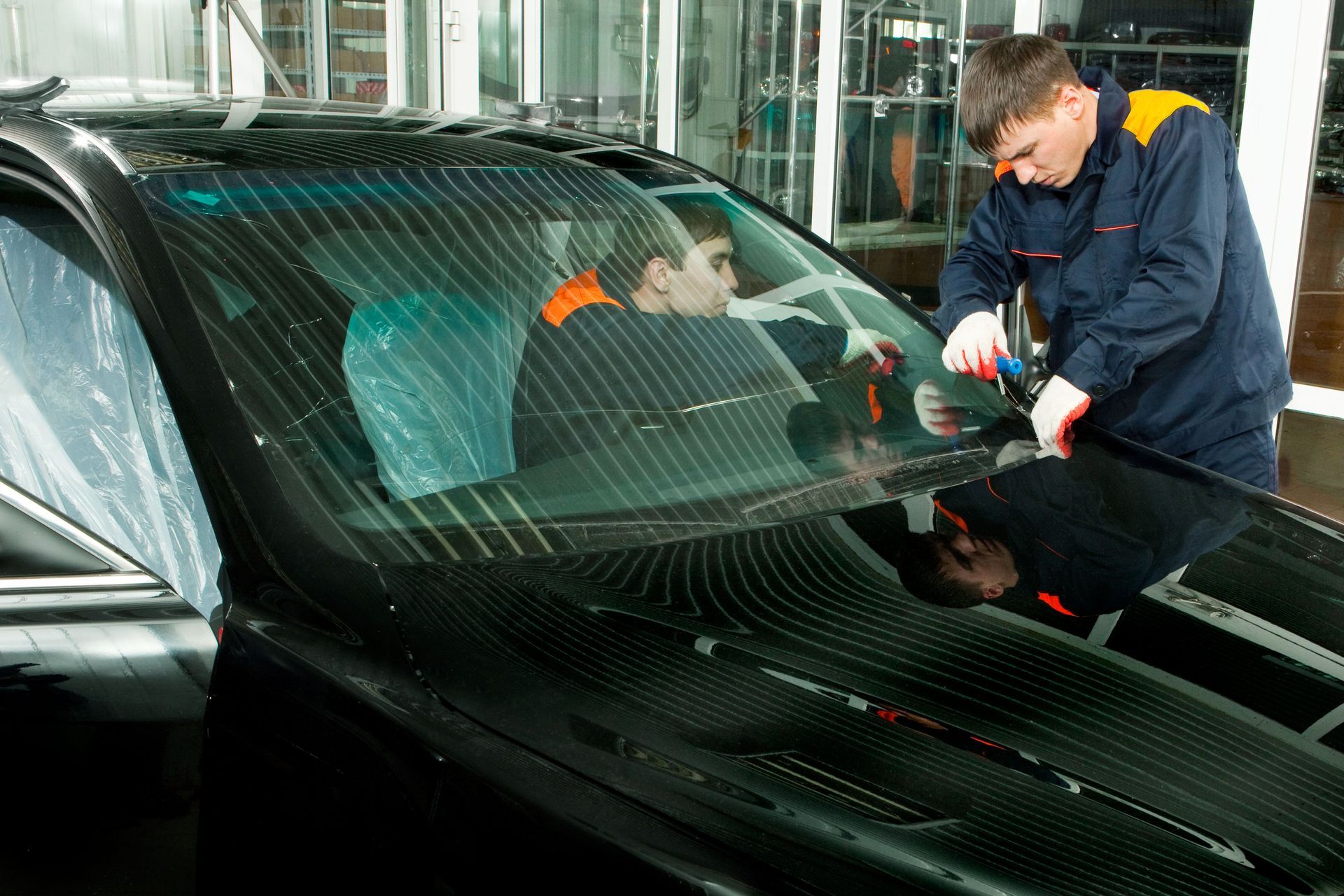
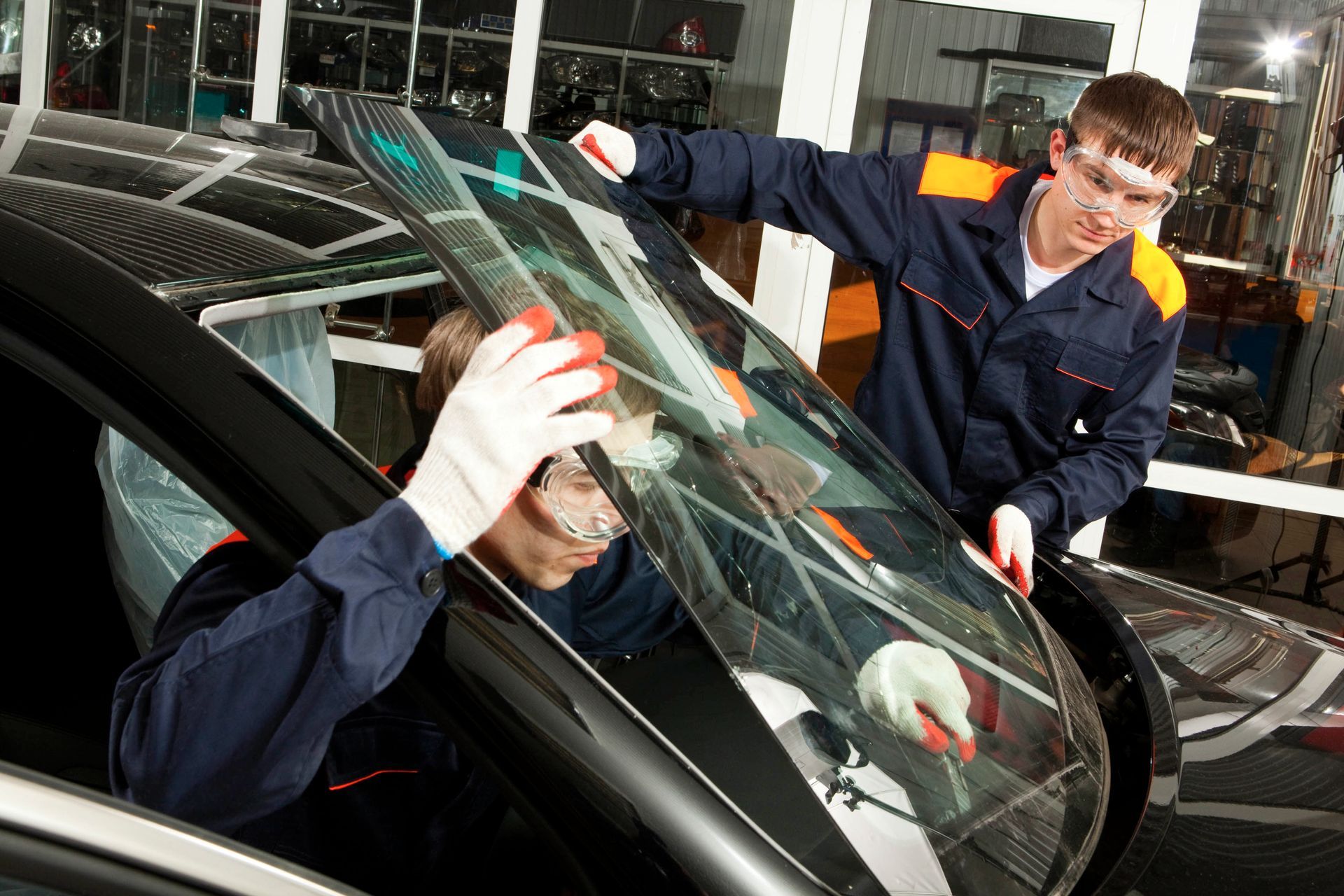
Maintaining a clear and unobstructed view of the road ahead is fundamental to driving safety and overall vehicle operation. Among the various components that contribute to automotive structural integrity, the front glass panel plays an essential role in protecting occupants from outdoor elements while supporting the vehicle's structural framework during collisions or rollover events. Even minor stone chips, surface abrasions, or hairline cracks can compromise glass clarity and weaken the entire assembly over time. Taking prompt action when glass damage occurs prevents small defects from expanding into widespread stress fractures that obscure vision and demand complete glass replacement. Timely windshield repair restores optical clarity, stops crack propagation, and preserves the original factory seal around the frame.
Vehicle glass is subjected to constant stress from road vibration, environmental temperature swings, atmospheric pressure, and debris impacts. Understanding how minor impacts develop into major structural vulnerabilities enables drivers to adopt proactive maintenance strategies that preserve visibility. Addressing minor glass defects early protects driver safety while maintaining the original glass installed by the manufacturer. By observing proper maintenance practices, avoiding extreme thermal shocks, and seeking professional intervention at the first sign of damage, vehicle owners ensure clear sightlines and maximum cabin safety. Learning key maintenance tips helps motorists protect their vehicle's glass integrity through every season.
Identifying Minor Glass Damage Before Fractures Expand
Road debris, gravel kicked up by passing trucks, and falling acorns can cause immediate damage to front automotive glass. Recognizing the distinct types of glass damage helps drivers determine when simple restoration is viable. Star breaks, bullseyes, half-moons, and combination chips are common impact patterns that typically affect only the outer layer of laminated safety glass. Laminated glass consists of two glass sheets bonded together by a flexible clear resin interlayer. When an object strikes the exterior surface, it creates an air pocket or localized fracture within that outer layer. Schedule professional windshield repair promptly after impact to prevent moisture, dirt, and road grime from entering the damaged area, which can hinder the resin bonding process.
Ignoring small chips allows dirt and ambient moisture to settle deep into the fracture cavity. When rainwater or washing fluids contaminate the impact site, the optical quality of the eventual resin fill can be diminished, leaving faint blemishes that interfere with driver visibility. Furthermore, moisture trapped within a glass chip expands when temperatures drop, creating pressure that forces the surrounding glass layers apart. Immediate inspection and prompt intervention keep the damage clean and dry, maximizing the effectiveness of the resin injection process and ensuring near-perfect optical restoration.
Preventing Thermal Shock and Environmental Stress Accumulation
Extreme temperature fluctuations represent a primary cause of rapid crack expansion in automotive glass. Glass expands when exposed to heat and contracts when exposed to cold conditions. When a vehicle with an existing chip experiences sudden temperature changes, the localized stress around the impact site causes fractures to spread rapidly across the glass panel. According to Body Shop Business, overall revenues within the auto care market expanded to $414 billion in 2024 and are anticipated to climb past $664 billion by 2028, reflecting the growing emphasis vehicle owners place on proactive maintenance and structural preservation techniques.
To prevent thermal stress from worsening minor glass chips, motorists should avoid applying extreme heat or cold directly to damaged glass. Defrosting a frozen glass panel using boiling water or blasting high-heat defrosters on maximum power during cold mornings creates severe thermal shock that instantly turns small chips into full-length cracks. Similarly, parking a hot vehicle in direct sunlight and immediately blasting cold air conditioning directly onto the glass panel induces thermal stress. Gradual warming or cooling allows the glass matrix to adjust evenly without concentrating mechanical stress around existing impact sites.
Protecting Impact Sites from Moisture and Contaminant Infiltration
When an object damages the outer layer of laminated glass, protecting the impact point from environmental contamination becomes crucial for successful restoration. Rainwater, windshield washer fluid, roadway chemicals, and vehicle wax can seep into the micro-fractures, leaving chemical residue that prevents clear resin from adhering smoothly to the glass interior. Applying a small piece of clear packing tape directly over the exterior damage immediately following an impact acts as a temporary shield against dirt and liquid infiltration while waiting for professional windshield repair.
While temporary protective tape prevents debris from entering the chip, drivers should avoid using windshield wipers excessively when glass damage is present. Wiper blades can push water, road salt, and abrasive dirt particles directly into the open chip, while the mechanical sweeping motion of the wiper blade can snag on jagged glass edges, causing minor cracks to lengthen. Keeping the damaged area clean, dry, and shielded ensures that technicians can inject high-viscosity resin into a pristine cavity, achieving optimal structural strength and optical clarity.
Understanding Advanced Resin Injection Technologies and Procedures
Modern glass restoration relies on specialized equipment and optical-grade acrylic resins designed to match the precise refractive index of automotive safety glass. Professional windshield repair involves placing a specialized vacuum tool over the impact site to evacuate air, moisture, and micro-particles from the fracture cavity. Once a complete vacuum is established, high-grade liquid resin is injected under controlled pressure, penetrating every microscopic fissure within the damaged glass matrix.
Following resin injection, technicians apply specific ultraviolet light wavelengths to cure and harden the compound rapidly. Curing bonds the resin directly to the surrounding glass, restoring structural stability and preventing further fracture growth. Finally, the surface is polished smooth, matching the original glass contour and eliminating distortion. Utilizing professional windshield repair technology preserves the original factory windshield seal, maintaining the vehicle's structural safety profile during unexpected collisions.
Adopting Safe Driving Practices to Minimize Road Debris Exposure
Proactive driving habits significantly reduce the likelihood of sustaining glass damage from airborne road hazards. Maintaining a generous trailing distance behind large construction vehicles, commercial freight trucks, and gravel transports provides a safety buffer against flying stones and loose road debris. Large multi-wheel vehicles frequently pick up rocks within their tire treads, hurling them backward at high speeds. Leaving ample space between vehicles allows flying debris to lose momentum before reaching your vehicle's glass panel.
Additionally, exercising caution on newly paved roads, unpaved gravel tracks, and construction zones minimizes gravel impacts. Reducing speed when traveling over loose surfaces reduces tire spinning and lowers the force of kicked-up stones. Taking swift action when minor damage occurs by seeking quality windshield repair ensures that unavoidable stone strikes do not escalate into complete glass failures that compromise cabin safety and driver visibility.
Maintaining clear, undamaged automotive glass is essential for safe driving, optimal visibility, and structural vehicle safety. By recognizing early signs of glass damage, avoiding direct thermal shock, shielding impact sites from moisture, and prioritizing timely windshield repair, vehicle owners can prevent small chips from spreading into major fractures. Professional glass restoration restores optical clarity while preserving the factory structural seal around the glass frame. Taking immediate action at the first sign of surface damage safeguards your vehicle, protects passengers, and maintains unobstructed sightlines through every driving journey.
If you are ready for exceptional glass clarity and dependable vehicle maintenance, contact us at Auto One today. We will help you restore your vehicle's glass integrity quickly and safely so you can enjoy clear vision on every road.