October 30, 2026
Window tinting can improve a vehicle’s appearance, reduce glare, and make driving more comfortable. For vehicle owners considering an upgrade, applying tint at home may seem like a convenient way to save money. However, achieving a clean, durable result requires careful preparation, specialized tools, and an understanding of how tint film behaves on curved glass.
Professional installation offers advantages that extend beyond appearance. From consistent coverage to long-term durability, experienced installers can help vehicle owners avoid common mistakes that turn a simple project into a frustrating repair. Understanding these benefits makes it easier to decide whether professional window tinting services are the right choice for a vehicle.
1. Achieve a Cleaner, More Professional Finish
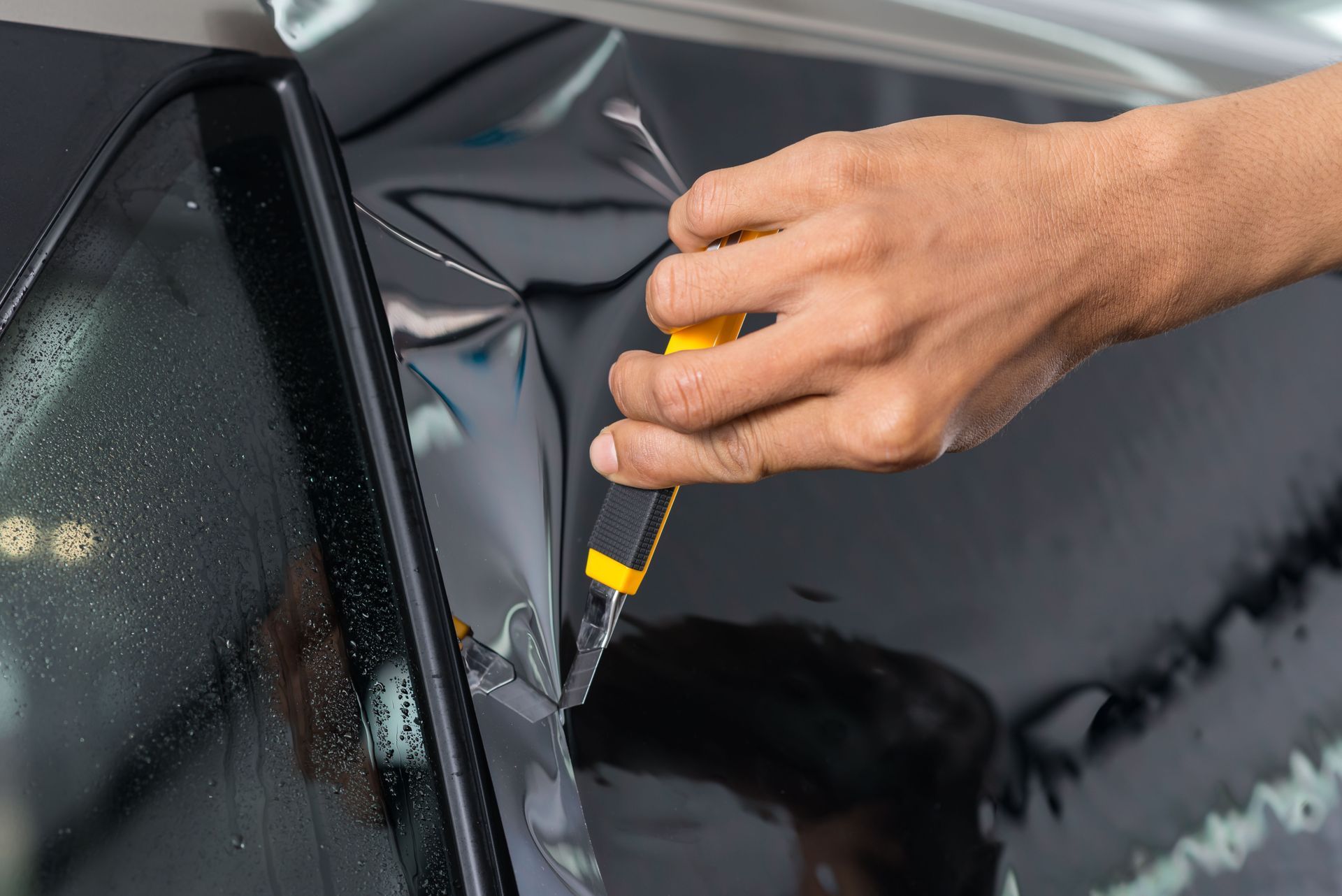
One of the most noticeable differences between professional and do-it-yourself tinting is the finished appearance. Window tint film must sit smoothly against the glass to create an even, polished look. Creases, bubbles, trapped debris, and uneven edges can make an otherwise attractive vehicle look poorly maintained.
Professional installers work with techniques designed to minimize these imperfections. They carefully prepare the glass, position the film, and use appropriate tools to smooth the material into place.
DIY applications can be particularly challenging for people who have never handled automotive tint film. Small errors during installation may become more apparent after the film dries, leaving an uneven finish that is difficult to correct without starting over.
Choosing window tinting services helps vehicle owners achieve a more consistent result. Rather than spending time troubleshooting installation problems, drivers can enjoy a finished appearance that complements the vehicle's exterior and interior.
2. Reduce Heat and Improve Interior Comfort
Sunlight entering a vehicle can make the cabin uncomfortable, especially when a car sits outside for extended periods. Heat can build up across seats, dashboards, steering wheels, and other interior surfaces, making the vehicle unpleasant to enter after being parked.
Quality tint films are designed to manage solar energy, although their performance varies according to the film's construction and specifications. Certain products can reject substantial amounts of solar heat while maintaining a comfortable level of visible light transmission.
Professional installers can explain the differences between available films and help drivers select an option that suits their comfort preferences.
DIY buyers may struggle to distinguish between products with different performance characteristics. Packaging and online descriptions do not always make technical differences easy to understand, particularly for someone unfamiliar with automotive films.
By working with window tinting services, vehicle owners can make more informed decisions about cabin comfort. The right product can help reduce heat entering through the glass while maintaining visibility and creating a more pleasant driving environment.
3. Protect Interior Materials From Sun Exposure
Repeated exposure to sunlight can gradually affect a vehicle's interior. Upholstery may fade, dashboards can lose their original appearance, and some materials may become more susceptible to cracking or deterioration over time.
Automotive tint films can help limit certain forms of solar exposure, depending on their ultraviolet and infrared rejection capabilities. Ultraviolet protection is particularly relevant because these rays contribute to fading and can affect materials inside a vehicle.
According to TintWiz, 30% is categorized as a medium-dark tint for automobile windows, providing a reference point for understanding visible darkness when comparing available film options. However, visible light transmission and ultraviolet protection are different characteristics, so tint darkness alone should not determine a product's protective capabilities.
Professional installers can explain these distinctions and help customers evaluate films based on their actual specifications. This guidance is useful for drivers who want to preserve their vehicle's appearance without choosing a product solely because of its shade.
Professional window tinting services can also help ensure that the selected film is appropriate for the intended windows. A suitable installation may support interior preservation while contributing to a more comfortable cabin and a well-maintained vehicle.
4. Avoid Common DIY Installation Mistakes
Applying automotive tint requires more than cutting film and placing it against glass. The process involves cleaning the surface, measuring accurately, shaping the material, controlling moisture, and positioning the film without introducing contaminants.
Dust and lint are frequent problems because even small particles trapped beneath the film can create visible imperfections. Inadequate cleaning can compromise the appearance, while incorrect handling may leave fingerprints, creases, or damaged edges.
Curved rear windows can present additional challenges. Film must be shaped to follow the glass, and improper shrinking or positioning can result in wrinkles that remain visible after installation. Correcting these issues may require removing the material and repeating the process.
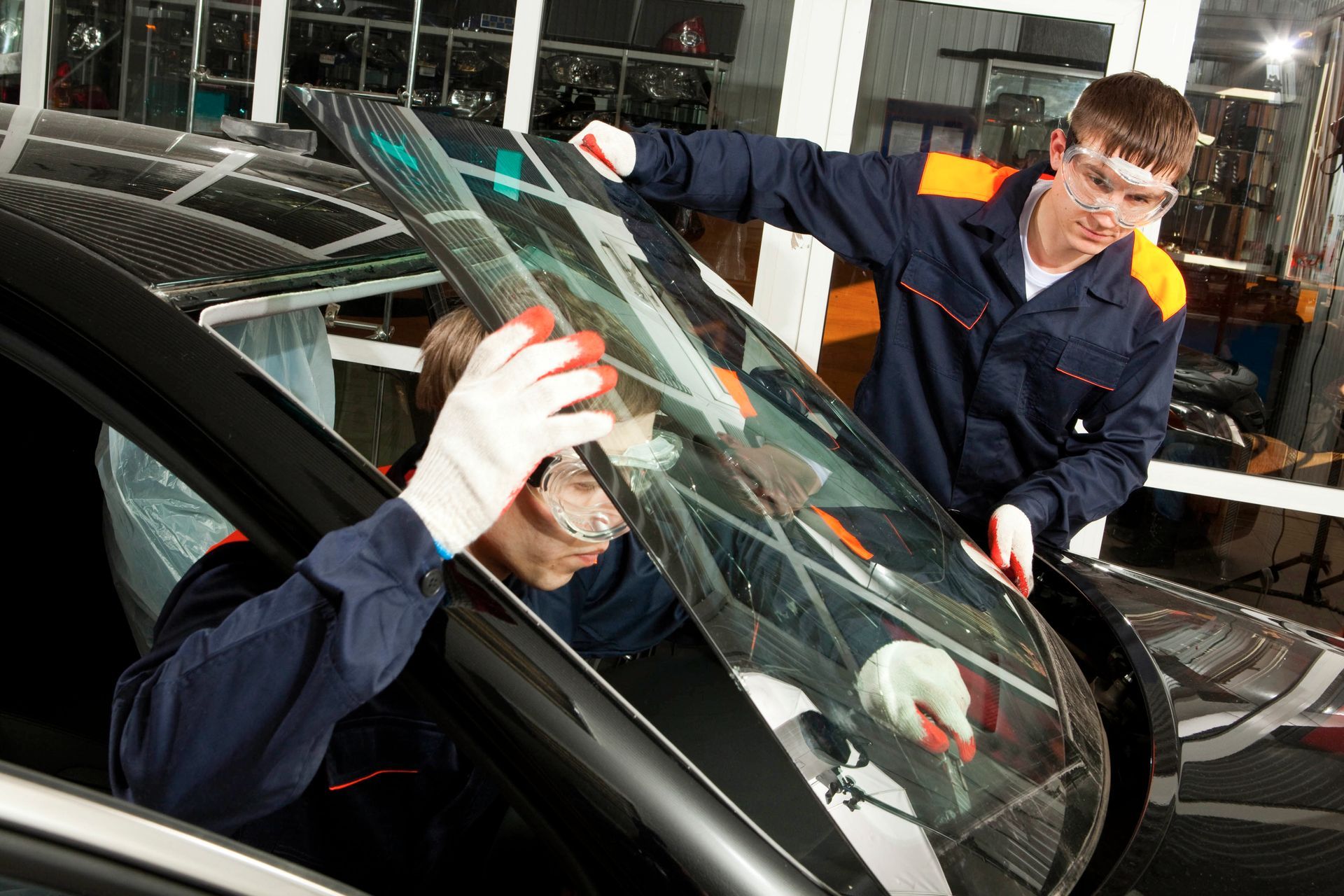
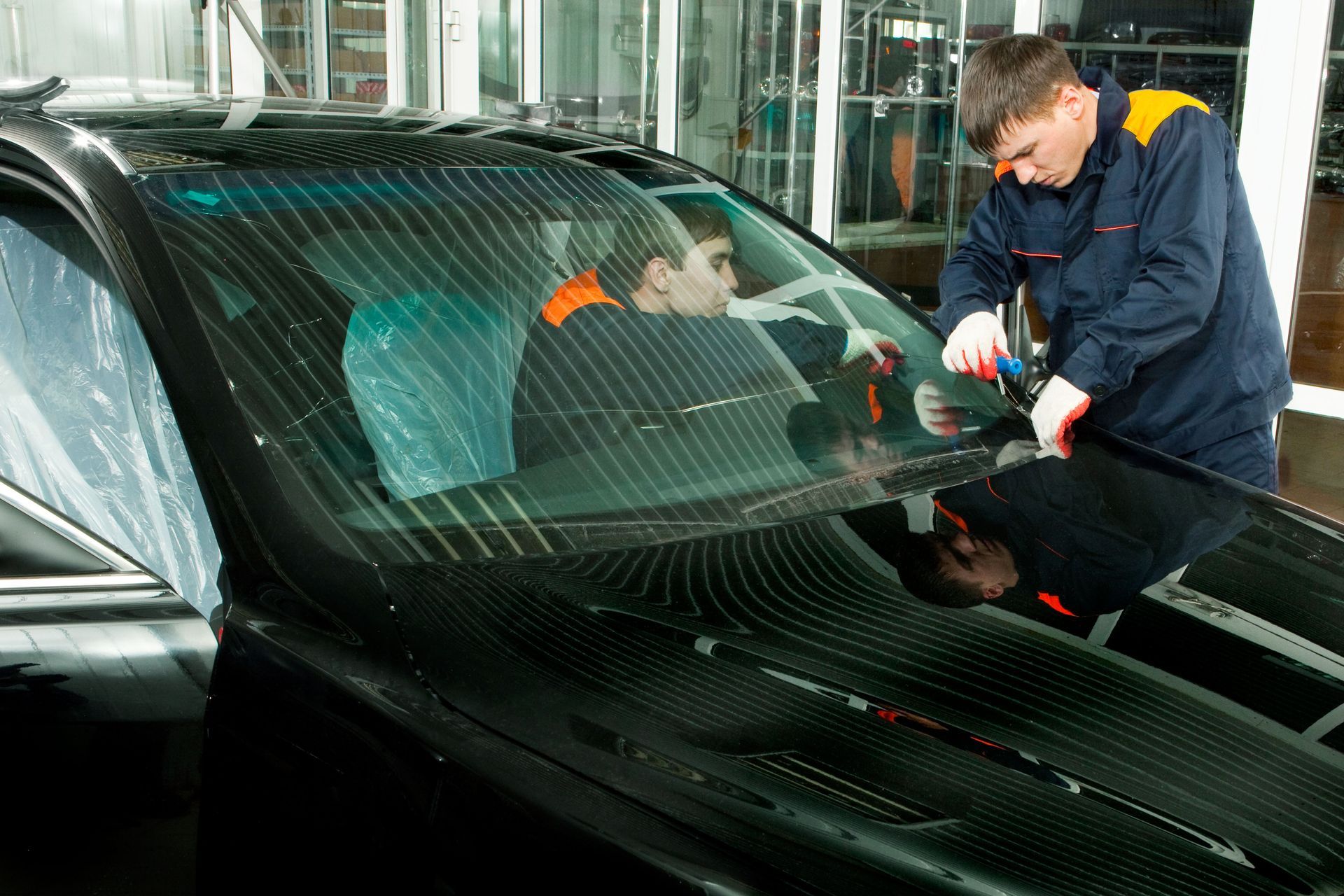
Professional installers have experience handling these difficulties and can use specialized equipment to produce a more controlled result. Their familiarity with different window shapes also helps them anticipate areas that require extra attention.
DIY installation may appear straightforward in instructional videos, but real-world conditions can make the process considerably harder. Choosing professional window tinting services reduces the likelihood of avoidable mistakes and helps vehicle owners spend less time dealing with frustrating corrections.
5. Gain Access to Professional Tools and Materials
The quality of a tint installation depends partly on the tools and film used throughout the process. Professional installers typically work with equipment designed for cutting, shaping, applying, and finishing automotive film.
Appropriate tools help installers achieve cleaner edges, smooth out application fluid, and minimize the risk of scratching the glass. Specialized techniques can also make it easier to work around tight corners, curved surfaces, and other challenging areas.
Film selection matters as well. Automotive tint products vary in construction, appearance, durability, and heat-rejection performance. Lower-cost materials may not provide the same characteristics as higher-quality alternatives, and differences can affect how the film looks and performs over time.
Purchasing a DIY kit does not necessarily provide access to the same materials or equipment used by experienced installers. Even when suitable products are available, learning how to use them effectively can require considerable practice.
Professional window tinting services give customers access to installation expertise alongside product guidance. This combination can make the process more convenient and help ensure that the finished tint meets the owner's expectations for appearance, comfort, and functionality.
6. Save Time and Support Long-Term Value
A do-it-yourself project can involve more time than expected. Researching products, preparing the vehicle, measuring the windows, cutting film, and correcting mistakes can turn a seemingly simple upgrade into a demanding task.
The possibility of reinstallation also affects the overall value of a DIY approach. If the film develops persistent bubbles, peeling edges, or visible creases because of improper application, replacing it may require purchasing additional materials and repeating the entire process.
Professional installation involves an upfront service cost, but it can reduce the time and effort required from the vehicle owner. Experienced installers are familiar with the workflow and can complete the work without requiring customers to learn the process themselves.
Warranty coverage may provide additional value, depending on the installer and product. Before scheduling an appointment, customers should ask what the warranty covers, whether installation labor is included, and what conditions could affect coverage.
Drivers should also confirm that the selected tint complies with applicable state and local requirements. Regulations may specify permissible visible light transmission for particular windows, and professional guidance can help customers understand these restrictions before installation.
Ultimately, window tinting services can offer a practical combination of convenience, workmanship, and product knowledge. When evaluating the total cost, vehicle owners should consider not only the initial price but also the potential expense of correcting mistakes or replacing poorly installed film.
For drivers who want dependable results without the uncertainty of a DIY project, Auto One is a starting point for exploring professional automotive care options. Contact Auto One to discuss window tinting choices, compare available films, and determine the right solution for the vehicle.