May 6, 2026
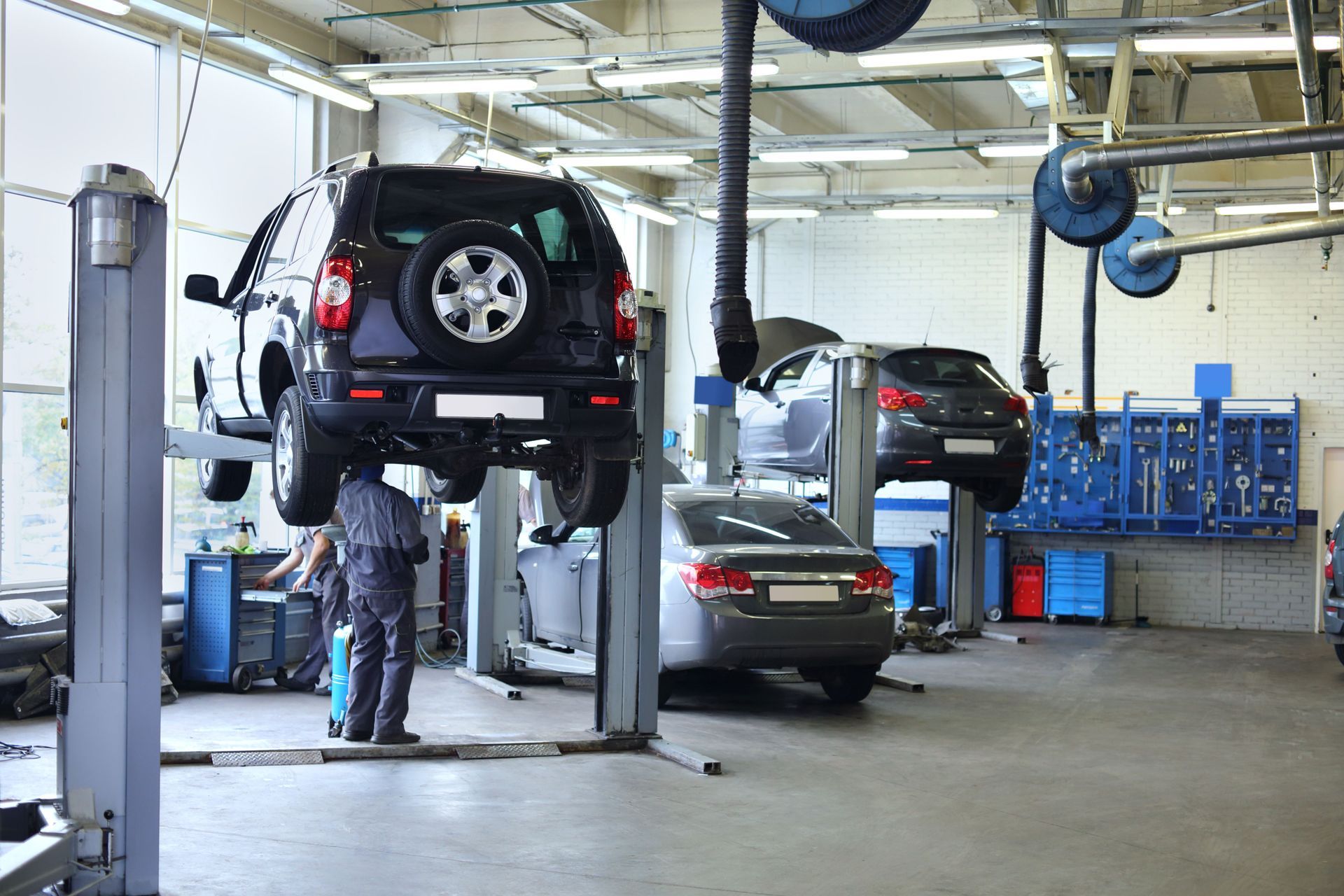
The importance of regular car maintenance cannot be overstated. Routine auto services not only ensure your vehicle runs efficiently but also extend its lifespan. This article explores six essential auto services to keep your car running smoothly.
Get Regular Oil Changes
Regular oil changes are paramount to maintaining engine integrity. Motor oil lubricates vital engine parts, reducing friction and wear, while also helping to regulate engine temperature. By changing the oil routinely, you ensure that these functions are optimally preserved, which in turn enhances engine performance and fuel efficiency. Neglecting oil changes can lead to oil thickening, overheating, and engine damage, all of which necessitate costly repairs.
Oil change frequency depends on the type of oil and the vehicle's specifications. In our experience, most conventional motor oils require replacement every 3,000 to 5,000 miles, while synthetic oils can last up to 7,500 to 10,000 miles. Manufacturers' recommendations in the owner's manual provide specific guidance based on vehicle design. Adhering to these guidelines helps avert potential engine problems and extends your car's lifespan. As such, regular oil change schedules are a pivotal aspect of preventative auto maintenance.
Choosing the right type of motor oil is crucial for optimal engine function. Conventional oils are typically used in older vehicles, while synthetic blends offer better protection and performance for modern engines. Signs that your oil needs changing include increased engine noise, a persistent check engine light, or visible darkening of the oil upon inspection.
Focus on Tire Maintenance
Proper tire maintenance is critical for ensuring vehicle safety and performance. Maintaining the correct tire pressure is vital as underinflated tires can reduce fuel efficiency and tire lifespan, while overinflation can cause dangerous blowouts. Regularly checking tire pressure and adjusting it accordingly helps avoid these issues, improving driving safety and comfort. Utilizing a tire pressure gauge and filling air as needed ensures tires are always at the manufacturer-recommended pressure levels. Maintaining proper tire pressure is a small yet significant step toward efficient vehicle operation.
Tread depth and tire wear are important indicators of tire health and safety. Uneven tread wear can result from improper alignment or inflation, leading to decreased traction and increased risk of accidents, especially in adverse weather conditions. Regularly assessing tread depth with tools like a tread gauge helps determine when tires need replacement. By monitoring tire wear, you can also prevent potential alignments and suspension issues. Consistent observation and proactive management of tread ensure tires remain functional and safe.
Tire rotation and alignment from professional auto services plays vital roles in promoting even tread wear and improving vehicle handling. Regular rotation, in our experience, every 5,000 to 8,000 miles, ensures that each tire experiences similar levels of wear. Alignment checks and adjustments are equally essential, as misalignment can cause uneven wear and steering complications. Seasonal tire changes further enhance driving safety, offering better grip and durability suited to varying weather conditions. By committing to regular tire maintenance, drivers can avert many costly issues and enjoy a smoother, safer ride.
Check Brake Systems
Brake system maintenance is fundamental to vehicle safety. Recognizing brake wear symptoms, such as screeching noises or a soft pedal, is crucial for identifying issues early. Promptly addressing these symptoms can prevent more severe problems, ensuring your vehicle remains safe to operate. Regular brake maintenance not only ensures optimal performance but also protects other vehicle components from associated wear. Investment in timely brake inspections and servicing is a proactive measure to maintain both safety and vehicle longevity.
Brake pad and rotor inspections are essential components of brake maintenance. Worn pads can cause damage to rotors, leading to costly replacements and safety risks. Regular inspections ensure that pads are replaced before excessive wear occurs. Moreover, checking rotor condition for warping or scoring is necessary to ensure effective braking performance. By maintaining both pads and rotors, you preserve the integrity of the entire braking system.
Fluid level checks are a critical aspect of brake system maintenance. Brake fluid is essential for the hydraulic function of braking systems. Over time, this fluid can absorb moisture, leading to reduced efficiency or system failure. Regular checks and timely replacement of brake fluid help maintain optimal braking response and prevent potential accidents. Professional brake service offers comprehensive assessment and maintenance, ensuring all brake system components function correctly and safely.
Prioritize Fluid Level Checks
Fluid level checks encompass a variety of essential vehicle fluids that require regular monitoring. These include engine oil, brake fluid, coolant, transmission fluid, power steering fluid, and windshield washer fluid. Each fluid serves a particular function, from lubricating mechanical parts to maintaining temperature control and enabling clear windshield visibility. Regularly checking these fluid levels ensures that each system operates efficiently and prevents serious mechanical failures. Proper fluid management is foundational to the reliable function of your vehicle.
Checking fluid levels routinely involves simple visual inspections and using dipsticks or sight glasses where applicable. This process helps to identify when fluids need topping off or replacing. Signs of fluid leaks, such as puddles under the car or noticeable drops in fluid levels, may indicate underlying issues that require immediate attention. Addressing leaks promptly prevents long-term damage and costly repairs. Ensuring all fluids are at appropriate levels is crucial for maintaining vehicle health.
The frequency of fluid changes depends on the type of fluid and driving conditions. Engine oil generally requires more frequent changes, while other fluids like transmission or coolant can last longer. Consult your owner's manual for guidance on fluid change intervals specific to your vehicle model. Choosing the right fluids for replacements is equally important, as using incorrect types can result in system damage or diminished performance. Proper fluid maintenance is a proactive approach to ensure optimal vehicle functionality and longevity.
Focus on Air Conditioning and Heating Systems
Air conditioning (AC) and heating systems contribute significantly to driving comfort and safety. Regular system checks ensure that heating and cooling functions are optimal, preserving interior climate control. Signs like weak airflow, unusual noises, or fluctuating temperatures indicate potential issues that require attention. System checks enable early detection of these problems and prompt resolution. Maintaining effective climate control systems enhances driving comfort and shields components from discomfort-related damages.
Recharging and repairing AC systems is necessary for effective climate control. Refrigerant levels naturally decrease over time, reducing cooling efficiency. Recharging involves adding refrigerant and checking for leaks to restore optimal functionality. Ignoring service needs can lead to costly damages or complete system failures. Professional servicing offers thorough inspections and repairs, ensuring the longevity of AC and heating systems.
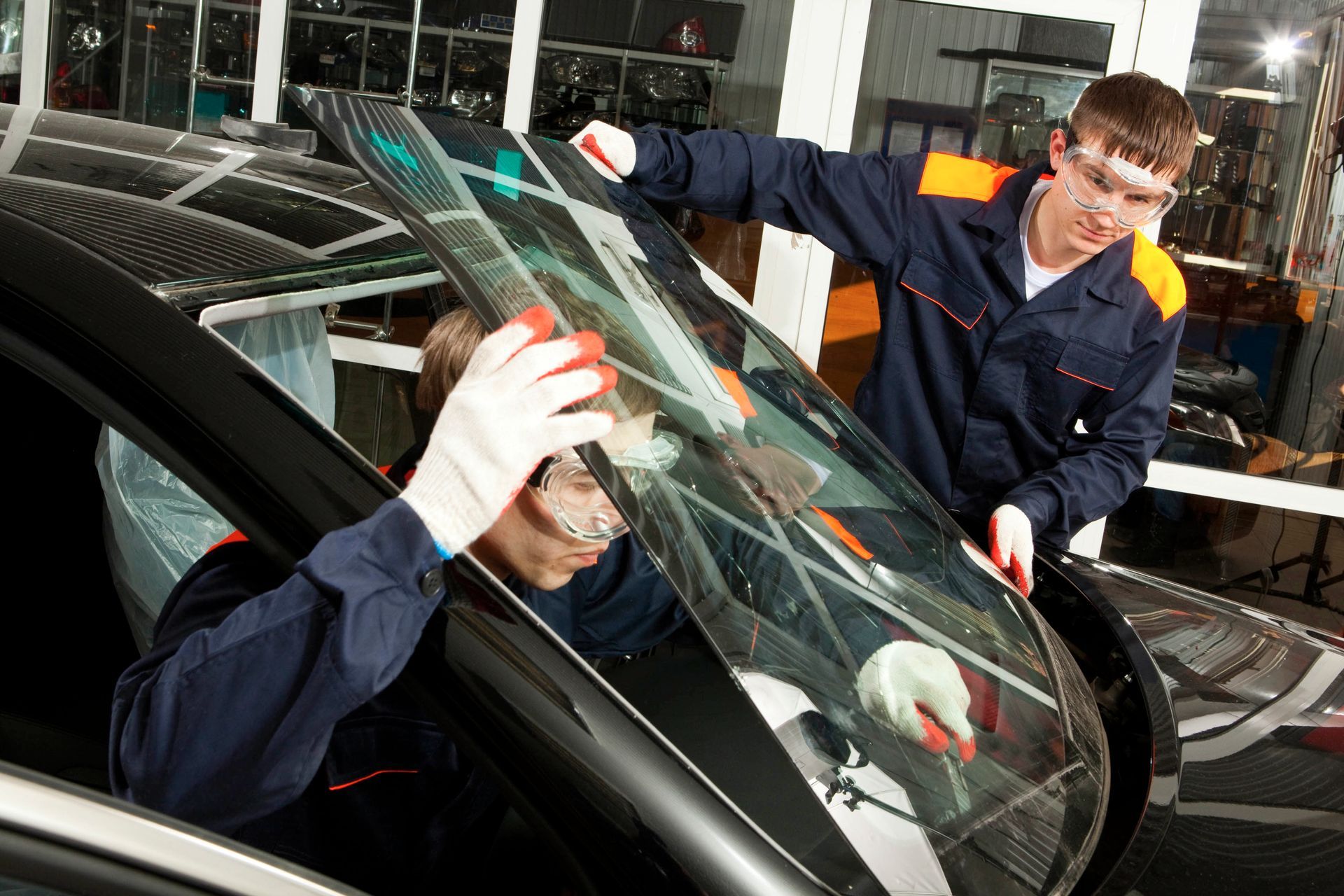
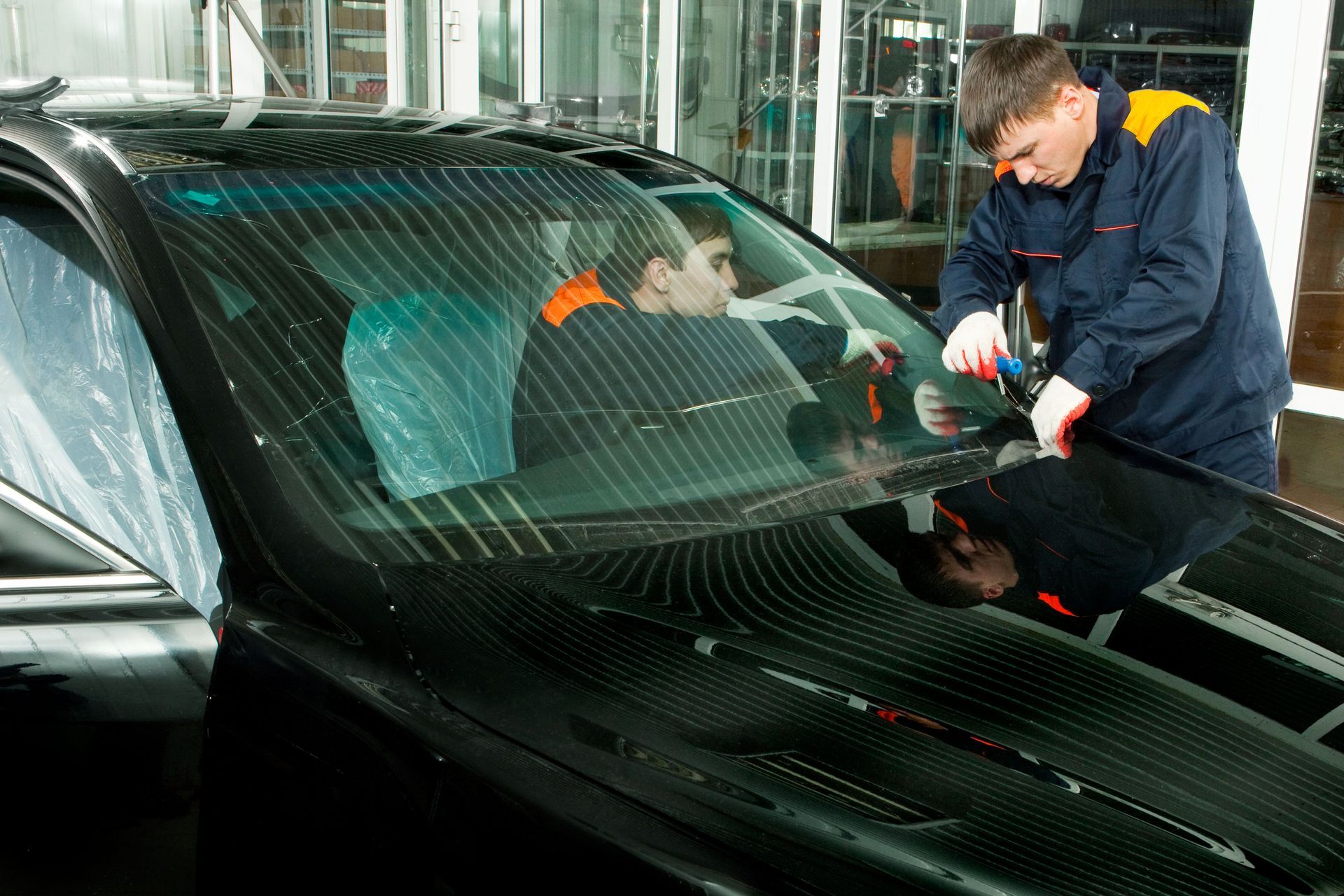
Professional service versus DIY servicing is a consideration for both AC and heating systems. While some basic maintenance tasks can be handled independently, complex issues typically warrant professional expertise. Trained technicians can diagnose and repair issues more accurately and thoroughly, preventing further complications. Given the rising influence and value of the auto care industry, with projections reaching $664 billion by 2028, according to Body Shop Business, investing in the right maintenance services is a prudent choice. Comprehensive servicing promotes the efficacy and lifespan of these systems, ensuring continued comfort and functionality.
Consistent attention to
auto services like oil changes, tire maintenance, brake checks, fluid level monitoring, battery care, and climate control system maintenance is crucial. These essential services ensure the longevity and reliability of your vehicle, keeping it running smoothly for years to come. By investing in regular maintenance, drivers not only enhance vehicle safety and function but also mitigate costly future repairs. Get the most out of your vehicle with help from a professional. Reach out to Auto One, and see what we can do to keep your vehicle looking good and running smoothly.